
Checking for a Warrant in Stewart County
The quickest public starting point is the Sheriff's iSOMS warrant page. It is a paginated list with All and A–Z controls, not a name-search box. Pick the likely letter, note the Court and Paper Type shown on a card, and confirm any possible match with the office holding that docket. The page posts no status legend, completeness statement, or refresh date. A blank screen proves nothing either way. If the list is hard to work with, try the Sheriff's Public Inquiry page or call the main office at (931) 232-6863 or (931) 232-4053. The General Sessions clerk can be reached at (931) 232-8474, and the Circuit Court Clerk at (931) 232-7042. A city citation belongs with its own city court. For the full search and request routes, see the detailed Stewart County warrant lookup steps.
- Open the Sheriff’s official Warrants link and choose All or a first letter.
- Move through the pages. Do not treat the list as a full-text search.
- Use Court and Paper Type as routing clues, not as a status decision.
- Call the issuing clerk to ask about current status, recall, bond, or appearance.
- For a record copy, use the right office’s request process and keep its response.
Reading Stewart County’s A–Z List
The Sheriff's Warrants portal lays its cards out across thirteen pages, with alphabetical filters plus forward and back controls. There is no keyword field, no warrant-number search, no court or status filter, no export button, and no last-updated notice. Keep the page count in perspective. It is not a warrant count, since one person can carry more than one paper and a card can stay visible after something changes its status. Do not copy or republish names, photos, charges, or card details from the screen. Treat it as a pointer: find the office to call, then ask that office which record and which next step apply. The Sheriff contact page separates the main office, jail, and dispatch. Dispatch is not a warrant desk, so save 911 for emergencies and bring routine Stewart County warrant questions to the main office.
Stewart County Warrant Types
Where you ask next depends on the type of process and the court that issued it. A portal label is just a display term, not a full legal classification. Tennessee Rule of Criminal Procedure 9 calls for a capias or a summons after indictment or presentment. On the public iSOMS page, Paper Type shows the values ARREST and CAPIAS, but Stewart County has published no legend explaining each label.
| Paper or process | Local route | What to confirm |
|---|---|---|
| Arrest warrant | Issuing criminal court; Sheriff or local police may serve | Court, status, appearance, and bond instructions |
| Bench warrant or FTA process | The court whose setting was missed | Whether the paper is a warrant, capias, reset, or other order |
| Capias | Circuit/Criminal or another originating court | Actual paper type and the clerk’s current direction |
| City ordinance or traffic process | Dover, Cumberland City, or Tennessee Ridge court | City procedure and whether county process is separate |
| Search warrant | Issuing judge or court record | Do not confuse search process with an arrest-warrant list |
Courthouse Routes Split by Court
Stewart County has no single general warrant counter. The main courthouse at 225 Donelson Parkway houses Circuit, Criminal, and Chancery functions, and the General Sessions clerk sits within the same courthouse network. Juvenile Court works from 112 Natcor Drive. Both addresses are in Dover, but the court named on the notice and the clerk named with it matter far more than geography. The Tennessee Courts courthouse listing shows each court's location and how the courts are grouped by facility. Use it to find a courtroom, not to run a warrant search. Before you drive over, call the originating clerk and ask which floor or office handles the paper.
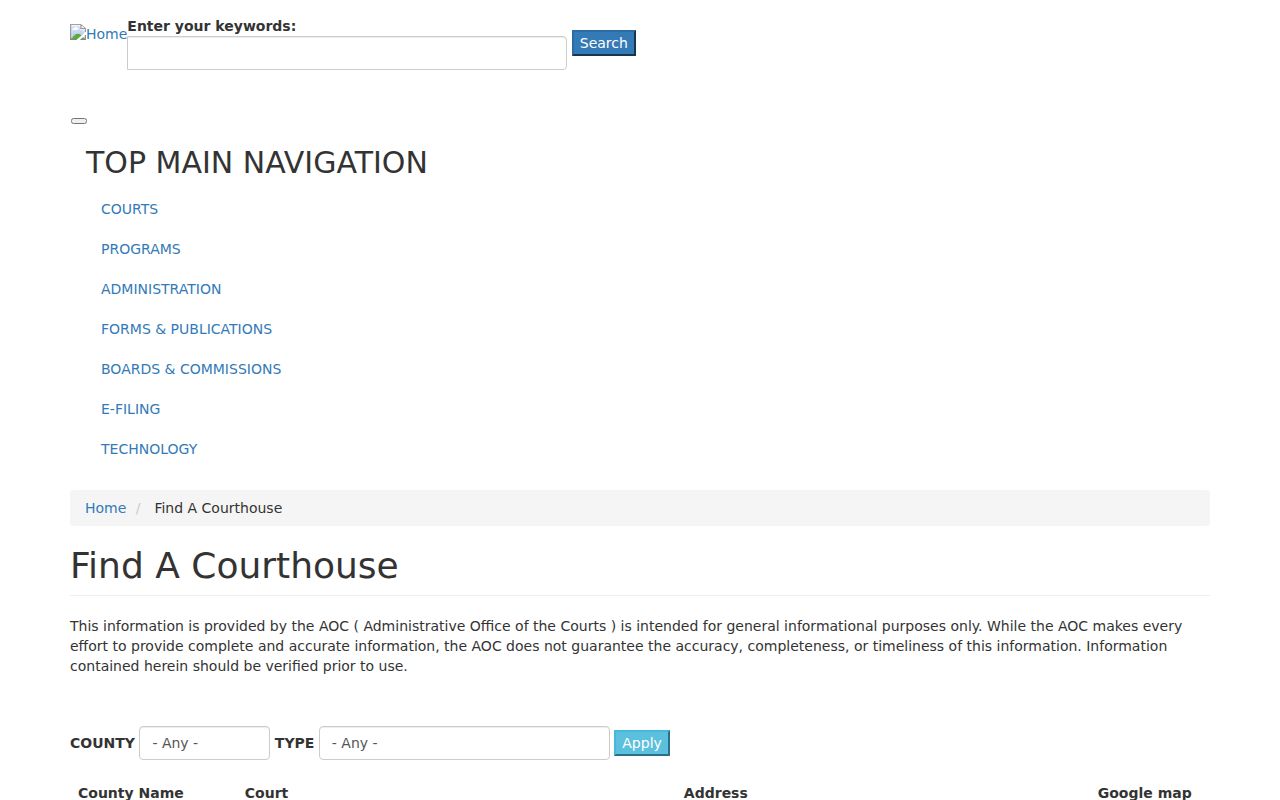
Let the court named on the notice or card pick the clerk for you. Juvenile questions go straight to Juvenile Court in Stewart County.
Inside a Stewart County Warrant Record
The Sheriff portal shows selected fields, not a full court file. The Court field is a routing clue and nothing more. Issue Date is not a service date or a recall date. Bond and Bond Text are not payment instructions. The portal displays no active, served, recalled, quashed, or judge field, and it offers no public explanation for a blank Type field.
| Paper Type | Observed labels include ARREST and CAPIAS; no public legend explains every use. |
|---|---|
| Court | May display General Sessions, Circuit Court, or Chancery Court. Call that clerk. |
| Issue Date | Shows a date associated with the paper, not whether it was served or recalled. |
| Charge | Portal wording is not a finding or a full case history. |
| Bond and Bond Text | Confirm current amount, form, and acceptance with the court or jail. |
Fields Leave Status Questions Open
The Court field routes a caller, but it settles nothing about service, identity, or release terms. For Chancery matters, ask the Clerk & Master, and never label an entry a criminal warrant from the card alone. The iSOMS Jail page is a separate tool. It shows current custody and bond context, including a 240-hour view, but it is not a countywide warrant database. Absence from the jail list does not answer a warrant question in Stewart County. Keep personal card data private and ask the issuing court to explain the actual case record.
- Paper Type
- A Sheriff portal label, not a complete legal taxonomy.
- Capias
- A form of court process. Rule 9 uses it in indictment or presentment cases.
- Recall or quash
- A court action that withdraws or sets aside process; ask the issuing clerk for proof.
- FTA
- Failure to appear at a required court setting; the next step depends on that court.
Issuing and Serving Warrants in Stewart County
Courts issue process, and law enforcement serves it. In Stewart County, Circuit/Criminal Court and General Sessions handle the county criminal routes at the trial level, while municipal courts take city ordinance and traffic matters within their own authority. The Sheriff's Office runs a named Court Division and posts the public warrant page. Dover Police handles city-limits law-enforcement work. The Sheriff is not the clerk for every court.
Stewart County Sheriff’s Office
314 Cedar Street, Dover, TN 37058
(931) 232-6863 / (931) 232-4053
The Sheriff’s divisions page names a Court Division but no warrant-only phone, counter hours, or bond window. Ask the main office to route you, then confirm status with the originating clerk.
The Sheriff’s official divisions page identifies the Court Division within the local agency structure.
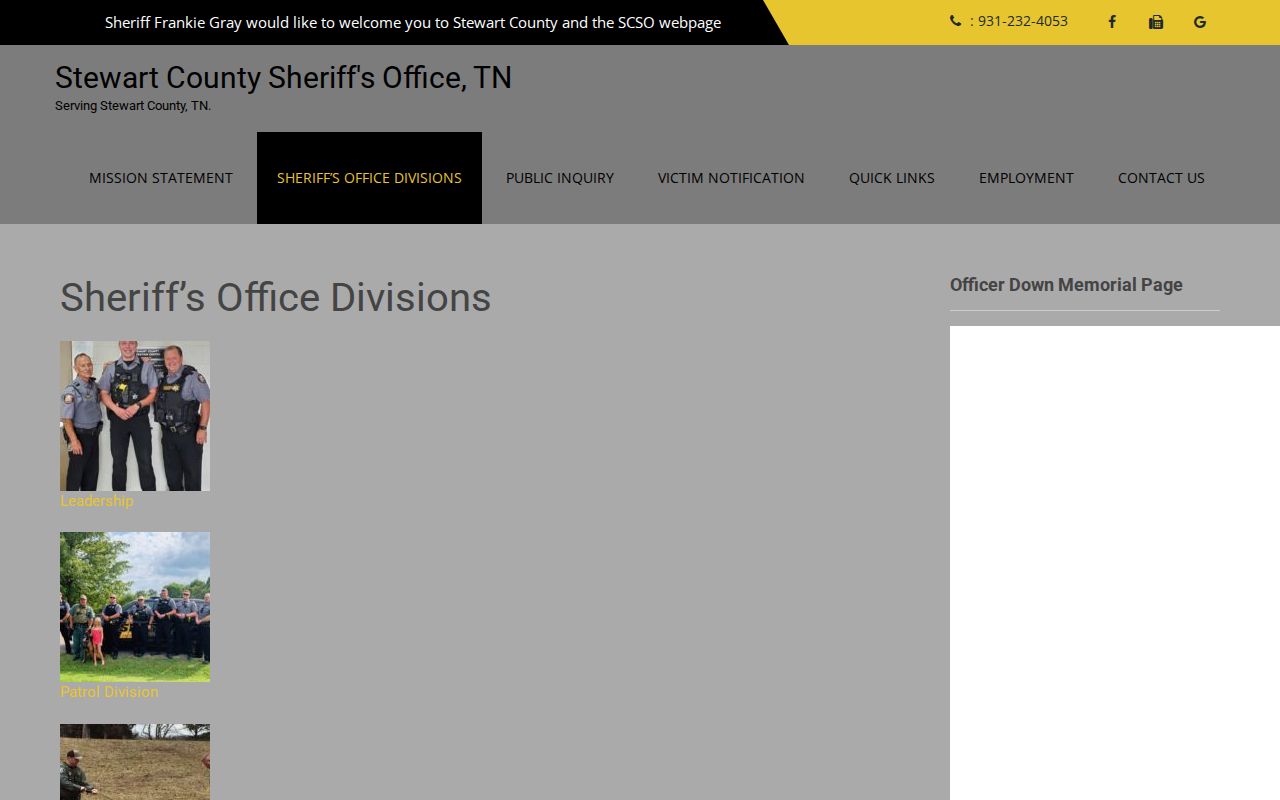
Stewart County confirms a law enforcement division, though no dedicated public warrant desk or posted hours. For routing, the county elected-officials directory lists each office and its role. It carries no case dockets. Call ahead to confirm arrangements before you drive.
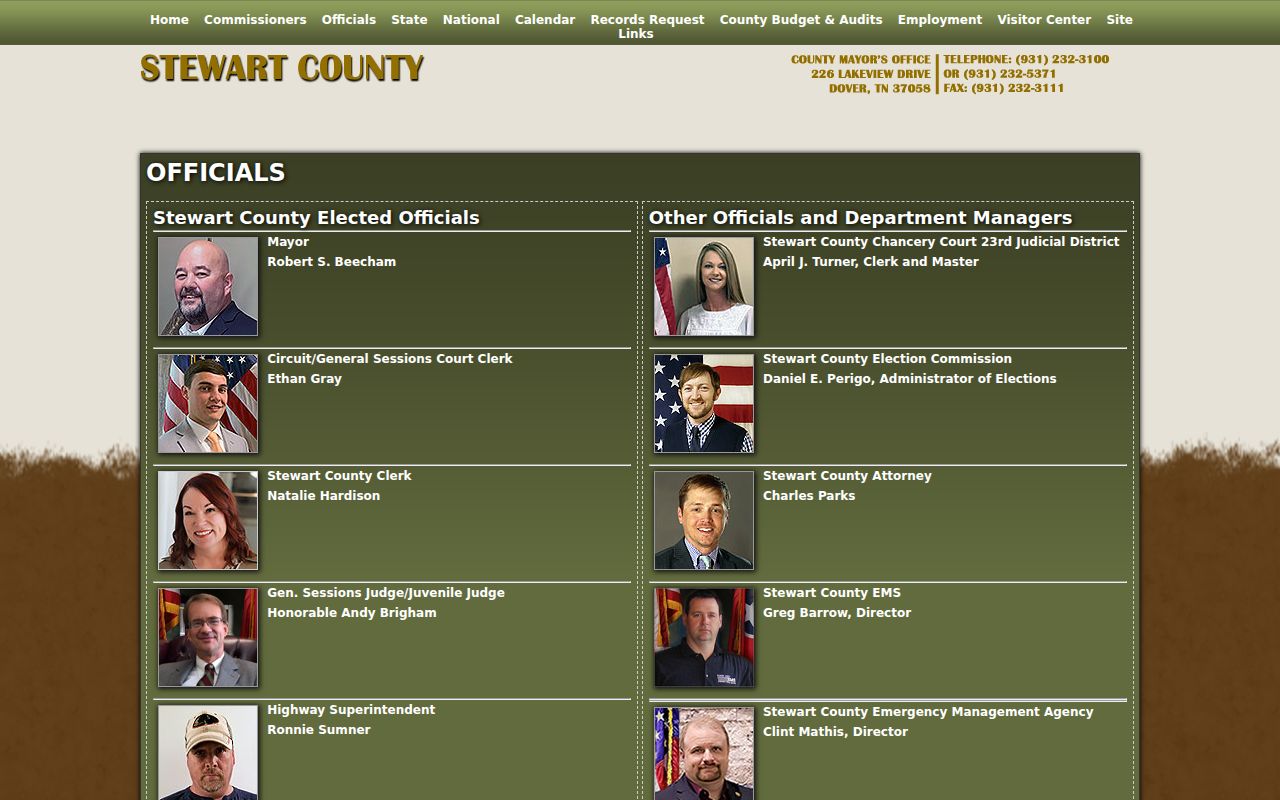
A role listing cannot confirm anyone’s warrant status.
Resolution Starts With the Issuing Clerk
First, identify the issuing court. Then ask whether the warrant is still active. Ask if a reset or a motion is open, and whether your lawyer can appear for you. A voluntary appearance, bond, payment, or motion may each fit a different paper. Stewart County offers no countywide clearance form and no published bond schedule, so the clerk's answer controls what step applies.
Call first: Confirm the court, current status, location, hours, and accepted bond forms before traveling to a Sheriff office, jail, or courthouse.
A lawyer can review the docket for you. Counsel can also call the Stewart County court directly. Once you appear or pay, keep a signed order, receipt, or docket confirmation, because a later shift in the online list alone is not a formal clearance.
If You Have a Warrant in Stewart County
One call or online payment rarely clears every paper. Tell the Stewart County clerk the court, the case or citation number, and the date of the missed setting or notice. Ask exactly which action is required. Ask whether another court or administrative office holds a separate paper too. The Sheriff's portal shows a bond field, but it does not say where or how to pay it. General Sessions matters go to (931) 232-8474. For Circuit or Criminal Court, call the Circuit Court Clerk at (931) 232-7042. Chancery routes to the Clerk & Master at (931) 232-5665, and Juvenile questions go to (931) 232-6322. A city ticket is different. That paper belongs to the issuing city, not Stewart County.
State FTA Notices Are Separate
Tennessee publishes no public statewide criminal-warrant search. TDOSHS runs a separate traffic FTA and license process. Its fee will not recall a court warrant. The Stewart County Sheriff's records-request form lets you ask for inspection or copies and to describe the record, date range, court, and keywords. A records coordinator answers within seven business days. That is not a promise a warrant record exists to produce. The Tennessee public-records overview lays out the state request framework.
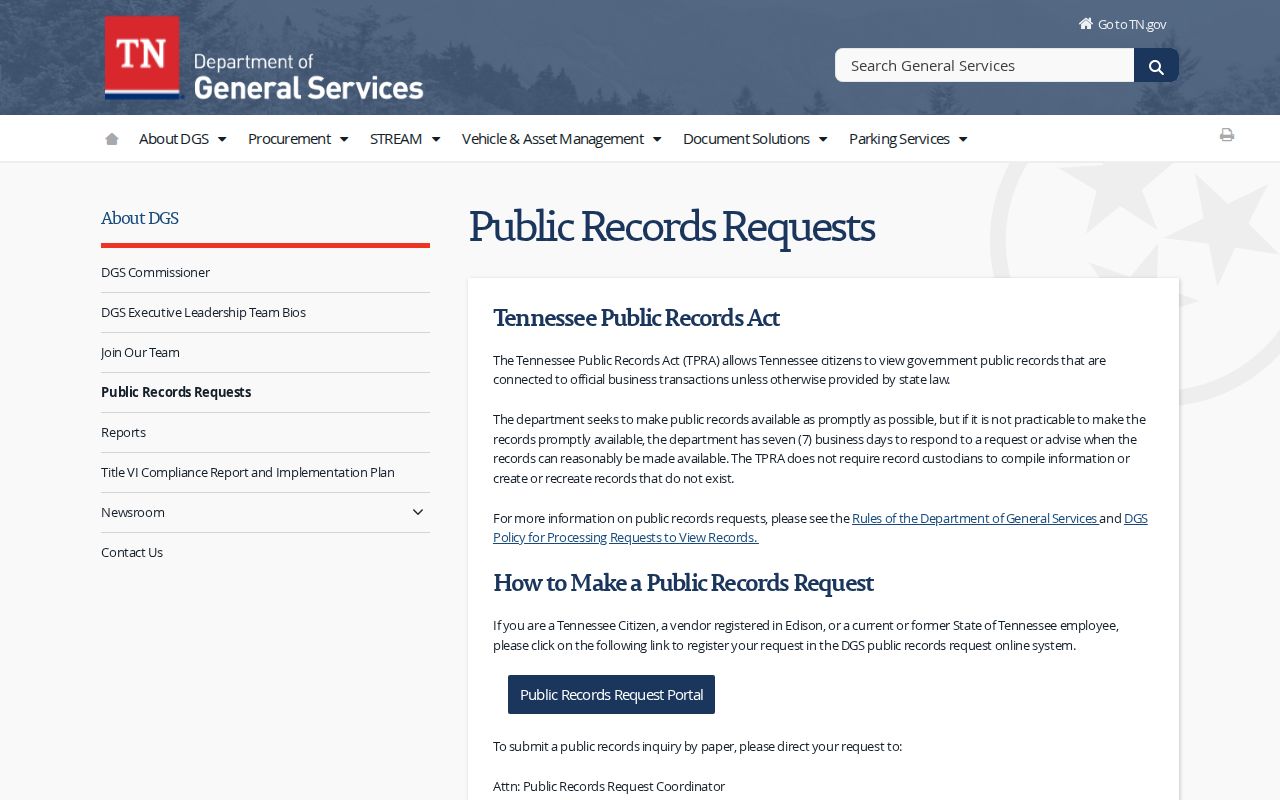
Use the state page for the general law only. The county office handles its own request form and records. The county records request hub shows how Stewart County routes public-record requests and what response time it notes.
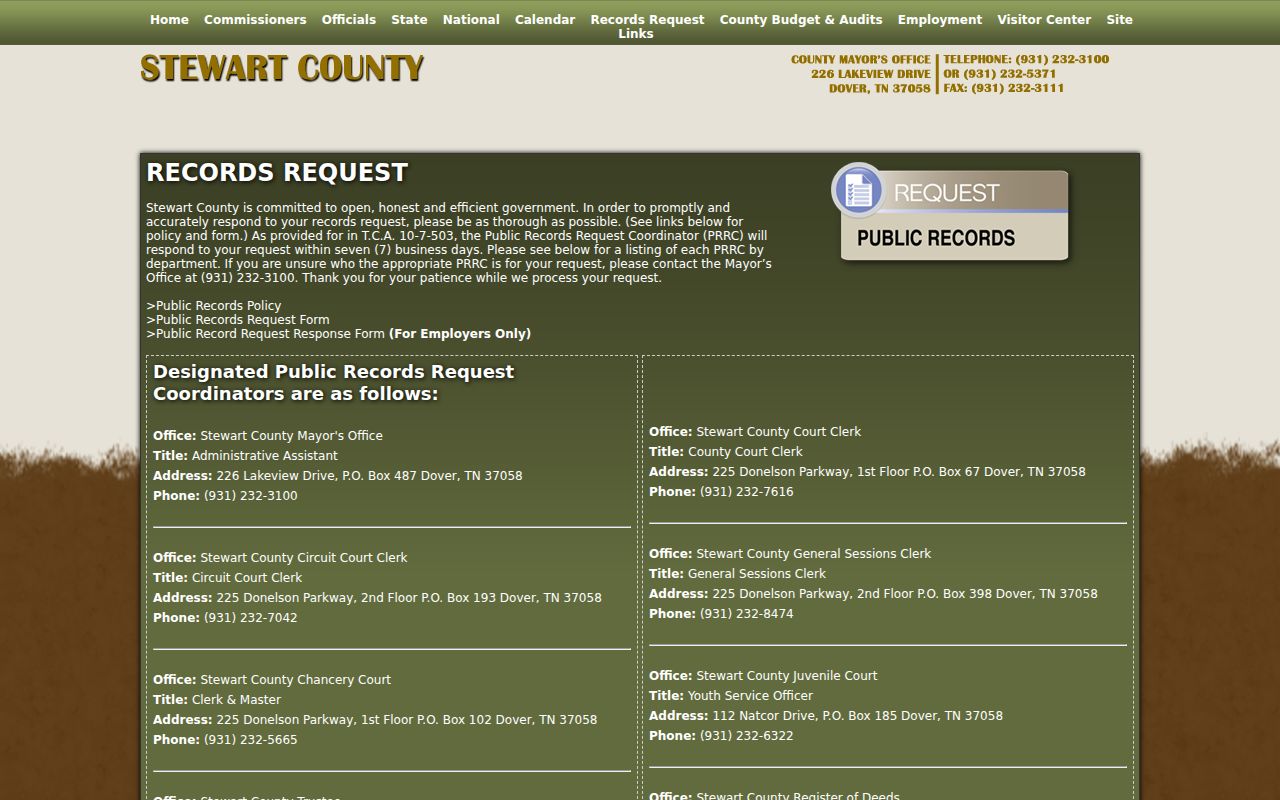
Ask the office that actually holds the record. A Stewart County request never forces an agency to build a new database or to certify an online list as complete.
Stewart County Warrant Records and Public Access
Tennessee citizens hold access to government records under the Tennessee Public Records Act, subject to exceptions. Court access follows Supreme Court Rule 34. A public Sheriff card does not open every attachment. Sealed, juvenile, protected, and some investigative files may stay restricted, so name a specific existing record and ask the Stewart County office what it can release.
Access rules:
Tennessee Public Records Act, T.C.A. § 10-7-503 et seq. gives Tennessee citizens a right to inspect public records, subject to exceptions.
Tennessee Supreme Court Rule 34 governs public access to court records and allows restrictions for protected records.
Tennessee Rules of Criminal Procedure 3, 4, and 9 describe complaint, warrant or summons, and capias routes.
The Comptroller sets the clock. An entity generally responds within seven business days by producing a record, denying it with a legal basis, or giving an estimated completion date. Copy costs can apply. A Sheriff form's estimate waiver does not show the final Stewart County bill.
Stewart County Warrants by City
Each city runs its own route. Dover publishes a city-court schedule and its citation steps. Tennessee Ridge's code describes judge-issued process, but the directory lists the City Judge as vacant and no separate police department. Cumberland City's compiled code names docket and bond details, while GovernmentWindow offers a traffic-ticket choice. None of these sources is a public Stewart County city warrant search.
Dover Warrant Search
2020 population 1,442 · City Court meets at City Hall; no public warrant lookup was located.
Tennessee Ridge Warrant Search
2020 population 1,332 · Town spans two counties; confirm its current judge and court route.
Cumberland City Warrant Search
2020 population 305 · City code describes docket and bond process; confirm current rules with the recorder.
The Census incorporated-place table supplies the population order for these town profiles.
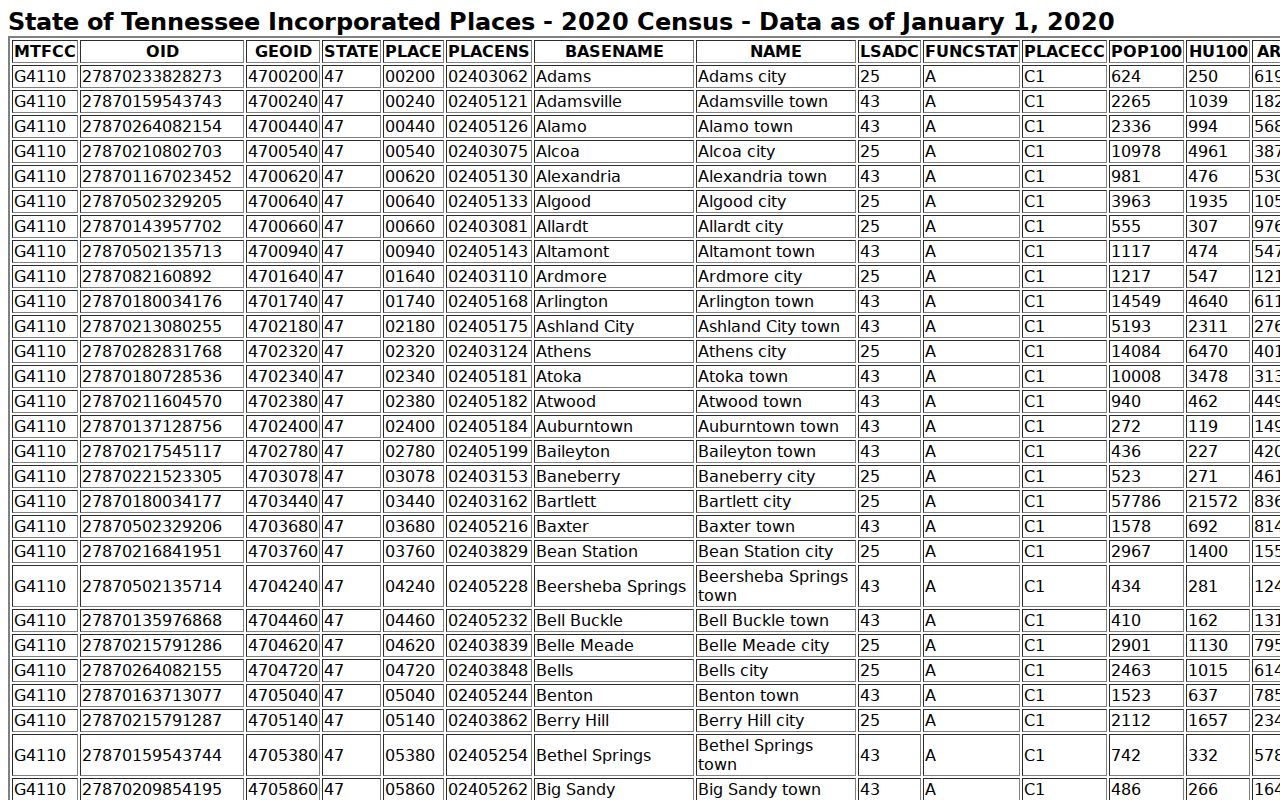
Population ranks the profile cards; it does not measure warrant volume or court caseload.