
Stewart County Arrest Warrants Explained
In Stewart County, a criminal case usually begins with paperwork, not a chase. Tennessee Rule 3 lays out the complaint and sworn affidavit that start the process, and Rule 4 lets a judicial officer issue either an arrest warrant or a summons based on that complaint. The officer reviews the legal basis before anything goes out. What the public sees is thinner. The Sheriff's public list may flag a Paper Type marked ARREST, yet that card leaves out the affidavit, the judicial review, and every later twist in the case. Which court handles the matter depends on its stage. General Sessions takes many misdemeanors, traffic cases, and preliminary hearings, while Circuit or Criminal Court handles later stages and indictments. The court named on the actual warrant controls where you should ask, not the display card.
Stewart County Rule 3 Starts With a Complaint
A complaint or sworn affidavit is what starts a criminal case in Stewart County. The warrant card you may see is not the complaint itself. Rule 4 spells out how a court chooses between an arrest warrant and a summons on that complaint. Which judge or judicial officer acts depends on the case, so a Stewart County resident should not read a local decision into a Sheriff card alone. The official Tennessee Criminal Rules page posts Rule 3, Rule 4, and the related procedures in full. That material is statewide. The 23rd Judicial District Attorney General page maps the district's counties and agencies, including Stewart County.
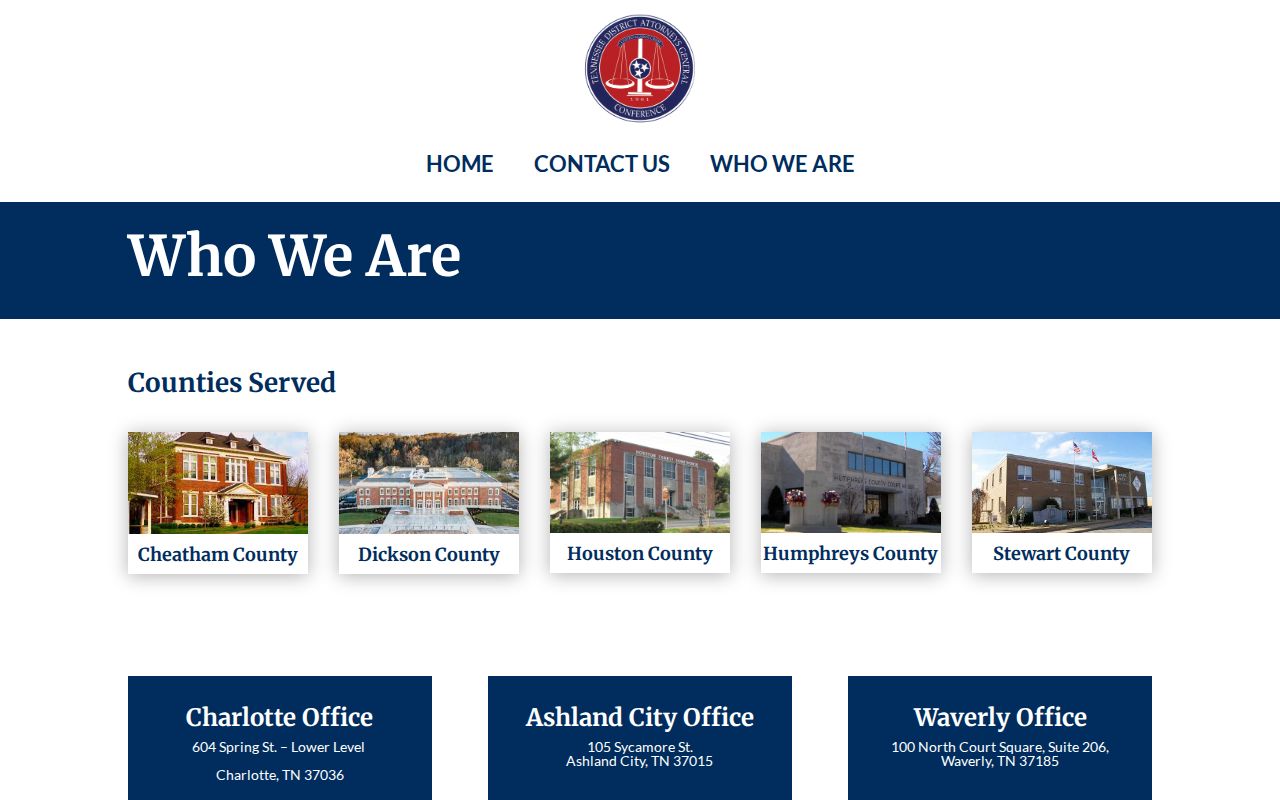
The district map shows which counties and agencies sit in the district, but for a Stewart County docket, the issuing court is still the right call.
Inside a Stewart County Arrest Warrant
The Sheriff portal's public display in Stewart County can carry an issue date, city, warrant number, Paper Type, court, charge, bond, and Bond Text. That's the whole card. It won't show the affidavit, a service return, the judge, an active-status label, or the legal basis behind a bond figure. Treat it as a pointer, not a file.
| Paper Type | ARREST appeared as a portal label; no public legend defines all labels. |
|---|---|
| Court | A routing clue for the clerk, not a full case history. |
| Issue Date | Not a service, return, recall, or current-status date. |
| Charge | Allegation or process wording, not a final finding. |
| Bond / Bond Text | Confirm present amount, accepted form, and any conditions with officials. |
Stewart County Portal Fields Have Limits
The Stewart County public page has real limits. No status legend, no service field, no removal schedule, no completeness notice. A card on the screen doesn't prove the record is current or that the right person is named. A displayed bond promises no release route or online payment. Confirm each item with the court, and with the Sheriff or jail when directed. Tennessee Supreme Court Rule 34 and records-law exceptions can also keep underlying papers out of view, so a public card may sit there while an affidavit, protected attachment, or sealed record stays restricted. One more caution for Stewart County readers: don't republish names, photos, numbers, or charge narratives pulled from the public list.
A clerk can explain which document is public and how to request it.
Serving Arrest Warrants in Stewart County
Service in Stewart County runs through more than one office. The Sheriff's Office is the county's law-enforcement and corrections channel, and it publishes the public warrant list. Inside Dover, the Dover Police handle policing and connect to the city court. The Dover Police page gives that city-limits agency contact but offers no warrant-search portal, and county process may run through a different office anyway. Cumberland City's directory identifies its local police context, though no standalone warrant page exists for it. Tennessee Ridge's directory lists no separate police department or chief, so confirm its current service arrangement with the town or the Sheriff. No public source names every officer assigned to a paper, publishes a service timetable, or offers a service-status lookup. Don't go to a station or jail based only on an online card. Call the issuing court first in Stewart County, and ask where and when the court wants an appearance.
Stewart County Arrest Service Is Not Status
Issuance, portal entry, service, first appearance, and recall are separate events, and the Sheriff list doesn't track them all. Rule 5 covers the initial appearance after an arrest or charging. Stewart County publishes no countywide bond schedule, no public first-appearance calendar, and no guaranteed bond window, so ask the court what applies. After an arrest or court-directed action, find out which court hears the next step and get written proof. A person can have matters in several courts at once. Clearing one arrest warrant doesn't clear a city citation, a Chancery matter, a Juvenile case, a state administrative notice, or federal process.
Arrest Warrants, Summonses, and Bench Warrants
A summons can bring a person to court without the initial custody step of an arrest warrant. A bench warrant usually follows a missed court obligation. Neither everyday label replaces the formal process named by the issuing clerk in Stewart County.
| Process | Common starting point | Local verification |
|---|---|---|
| Arrest warrant | Complaint and judicial review | Issuing criminal court, then Sheriff or police if needed |
| Summons | Complaint with a court appearance direction | Clerk confirms date and response |
| Bench warrant / capias | Missed setting or other court process | Court whose date or order was involved |
If There's an Arrest Warrant for You
Use the public list as a first look, then call the court named on the card. In Stewart County, Circuit or Criminal Court records sit with Circuit Court Clerk Ethan Gray at (931) 232-7042. General Sessions is (931) 232-8474. The Sheriff's main office answers at (931) 232-6863 or (931) 232-4053. Ask which office can confirm the record and whether another court needs checking too.
- Note the Court and Paper Type, without saving or sharing card details.
- Ask the clerk whether the paper is current, served, recalled, or needs action.
- Confirm appearance, attorney, bond, and location instructions before travel.
- Request a written order, receipt, or docket note after resolution.
Stewart County Arrest Records Requests
Ask for the right paper. An arrest record in Stewart County might mean the public Sheriff card, a docket entry, a complaint, an affidavit, a service return, a bond document, or a disposition. Different offices hold different pieces, so name the document you want up front. The Sheriff request form wants a date range plus a detailed description of the record. It lists no separate arrest-warrant fee, and it offers no certified-copy option. The county PRRC hub maps each office to its own request route and sets a seven-business-day response framework. That clock is a framework, not a guarantee. Rule 34, TPRA exemptions, and privacy rules can each limit what gets released.
Stewart County Arrest Warrants Need Official Confirmation
Tennessee runs no public statewide criminal-warrant search, so Stewart County warrant status has to come from the offices themselves. TDOSHS traffic reinstatement tools are administrative only; they will not confirm an arrest warrant. Federal cases go through the Middle District's PACER and MCVCIS, plus the U.S. Marshals route, not any county portal. PACER charges $0.10 per page, subject to a $3 document cap and quarterly fee rules. It opens case files, not a public federal warrant list. Sealed warrants may not appear at all. The official PACER fee guide lays out the federal access route and its fee limits. Those rules sit apart from the Tennessee Sheriff list and from any Stewart County records request, so treat the two systems as separate tracks.
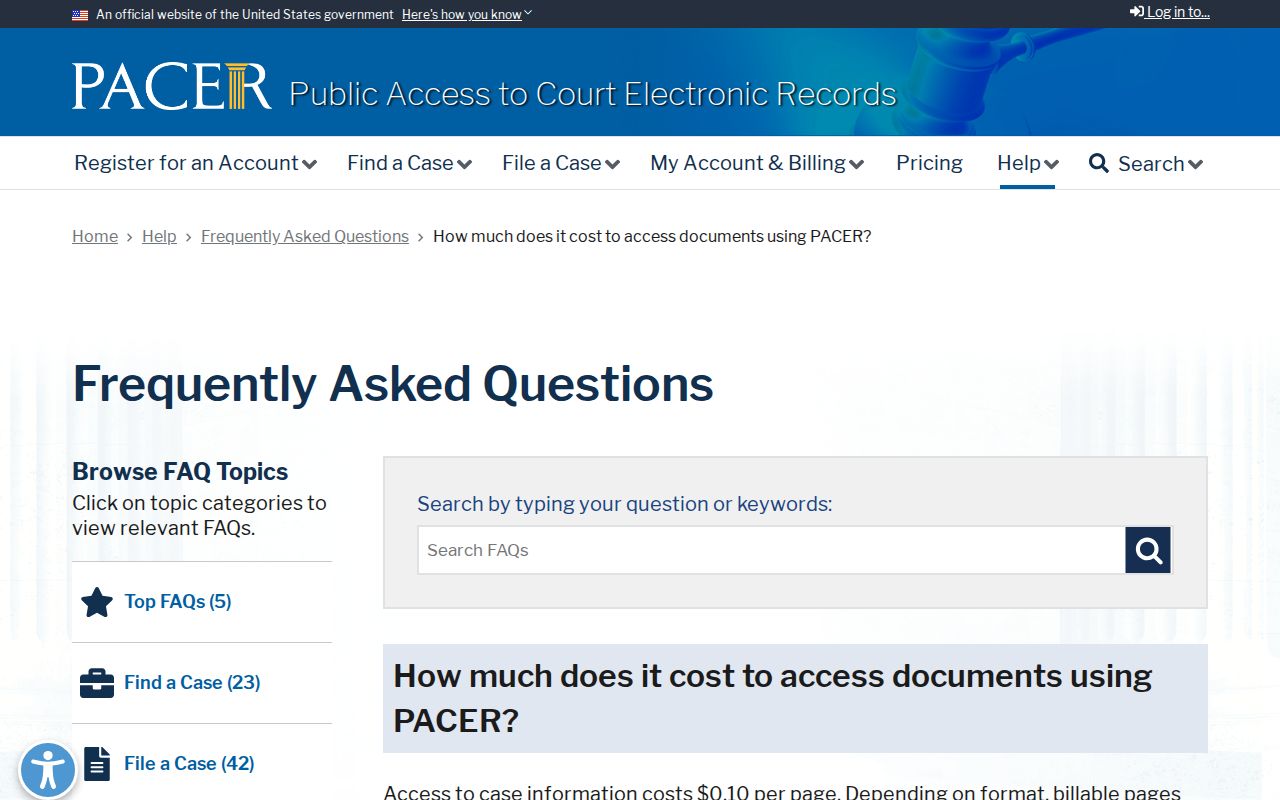
Use PACER or MCVCIS to confirm federal case details in Stewart County matters; neither is a warrant-status roster.
Call before appearing: Ask an attorney and the issuing court about status, surrender location, hours, and bond steps before going to a law-enforcement office.
Stewart County's warrant resolution information lists the clerk and Sheriff contacts for your next step.